What changed from the V2 Pro
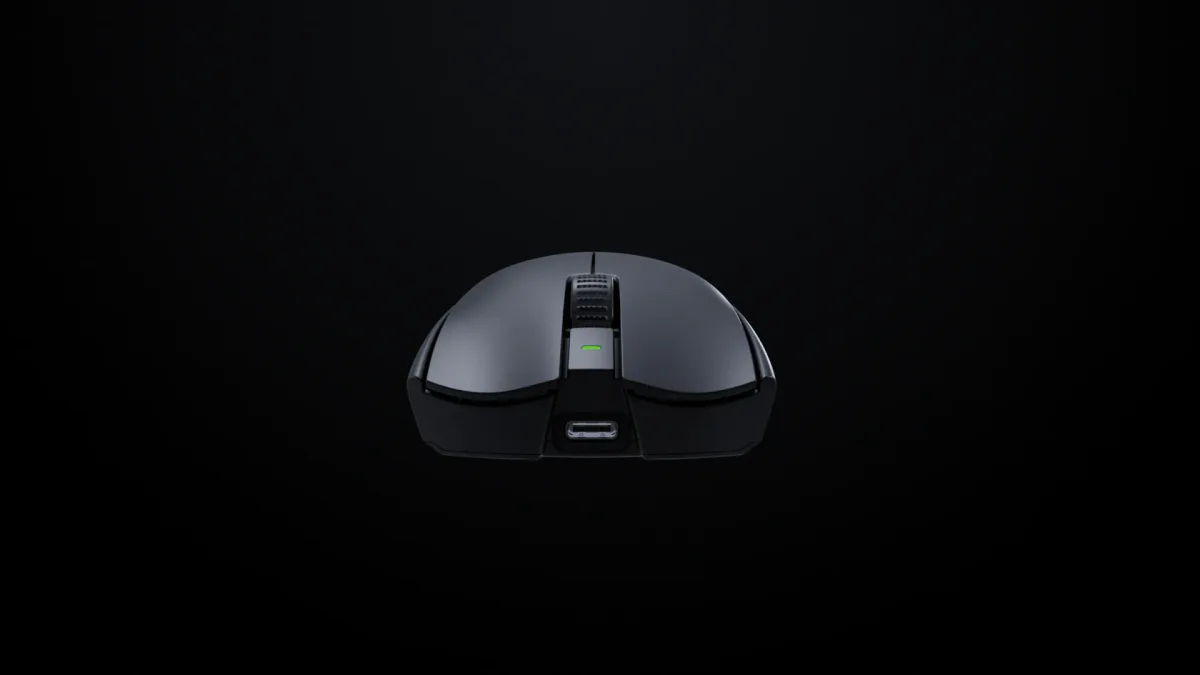
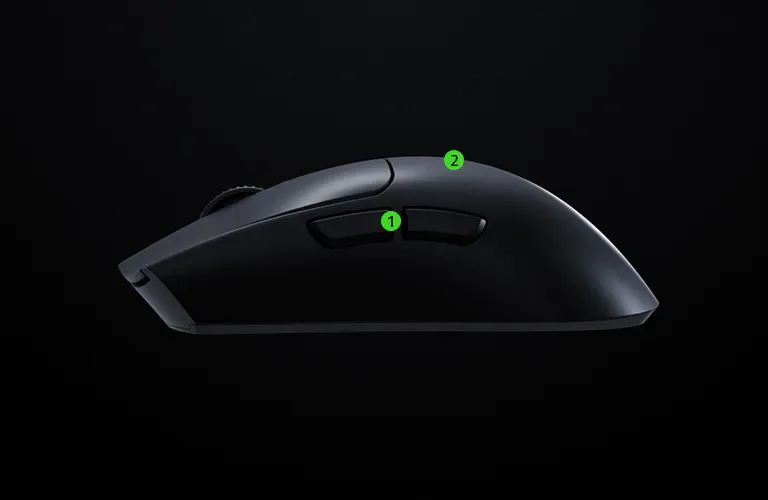
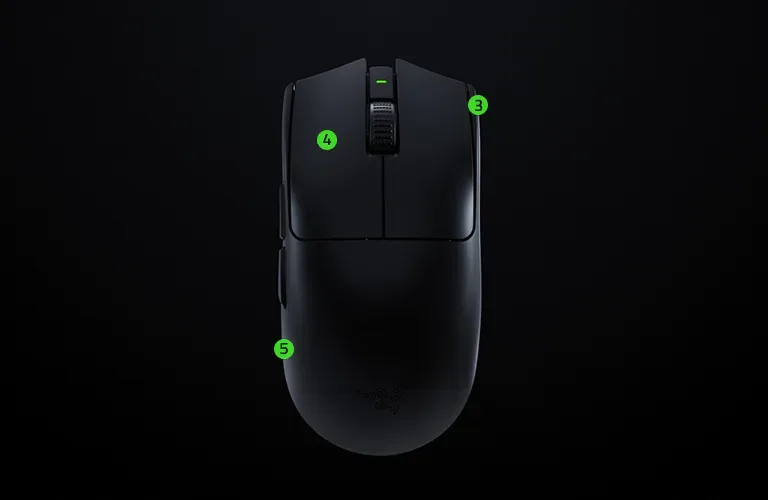
Razer kept the shell almost identical, then rebuilt everything underneath. The Focus Pro 35K replaces the 30K sensor, the optical switches step up to Gen 3, and 8 kHz polling is now native instead of dongle-gated. Razer also trimmed two grams of structural plastic without introducing the shell flex that plagued the original honeycomb era mice. The result on the scale is 54 g, and you feel every gram saved during long sessions.
Sensor and tracking on three surfaces
We ran MouseTester sweeps on an Artisan Hayate Otsu Soft, a Wallhack SP-004, and an LGG Saturn Pro glass pad. The plot stayed flat across all three, with no smoothing artifacts and no malfunction speed events. The new asymmetric lift-off setting is genuinely useful, you can set a 0.1 mm lift and a 2 mm land threshold so quick re-grabs do not register false movement. Click latency on a Bodnar tester measured 1.9 ms, which is the lowest we have recorded on a wireless flagship.
Shape, weight, and who it fits
The Viper is narrow at the waist, with a low and rear-leaning hump. If you grip claw or fingertip and your hand is between 17 and 19 cm, it disappears in your palm. Larger palm grippers will feel the front of the shell dig into the base of the fingers within an hour, that is the trade. Razer's matte coating has improved generation over generation, the V3 Pro stays grippy through about three hours of sweaty play before grip tape becomes a real consideration.
Native 8 kHz, finally
On a 480 Hz QD-OLED with frame rates above 500 in CS2 and VALORANT, the 8 kHz polling mode produces a visibly smoother cursor and the perceived input latency drops by a small but reproducible margin. On a 240 Hz panel the difference is academic. Battery at 8 kHz dropped to 17 hours in our test, which is honest about the cost. Most pros we tracked are running 4 kHz as the daily compromise.
Pro adoption and where it lands
Across the public CS2 and VALORANT peripheral databases, the Viper V3 Pro and the Superlight 2 are essentially tied for first in active use as of mid 2026. The shape preference is the deciding factor, not the hardware. Players like ZywOo, Aleksib, and TenZ have all rotated through this mouse, and the consensus is that the V3 Pro is the lightest mouse you can buy that does not feel cheap.
How it compares
vs. Logitech G PRO X Superlight 2
Safer, more universal shape and better software, six grams heavier and the 8 kHz mode needs the extender.
vs. Pulsar X2V2 Mini
Close in weight and feel for half the price, but the scroll wheel and click consistency lag a generation behind.
vs. Razer Viper V2 Pro
Still excellent and frequently discounted, you give up native 8 kHz and the new sensor.
Bottom line
The Razer Viper V3 Pro is the most aggressive flagship on the market in 2026. If the symmetric Viper shape fits your grip, it is the easiest recommendation we can make at $159. If you need a wider or more relaxed shell, the Superlight 2 or the DeathAdder V3 Pro will serve you better, but for raw competitive feel, nothing beats this.
Razer · 9.3 / 10
Razer Viper V3 Pro
Street price around $159
As an Amazon Associate, SurvivalConfigs earns from qualifying purchases. Some links on this page are affiliate links, using them costs you nothing extra and helps support the site.