Why audiophile open-back wins for competitive FPS
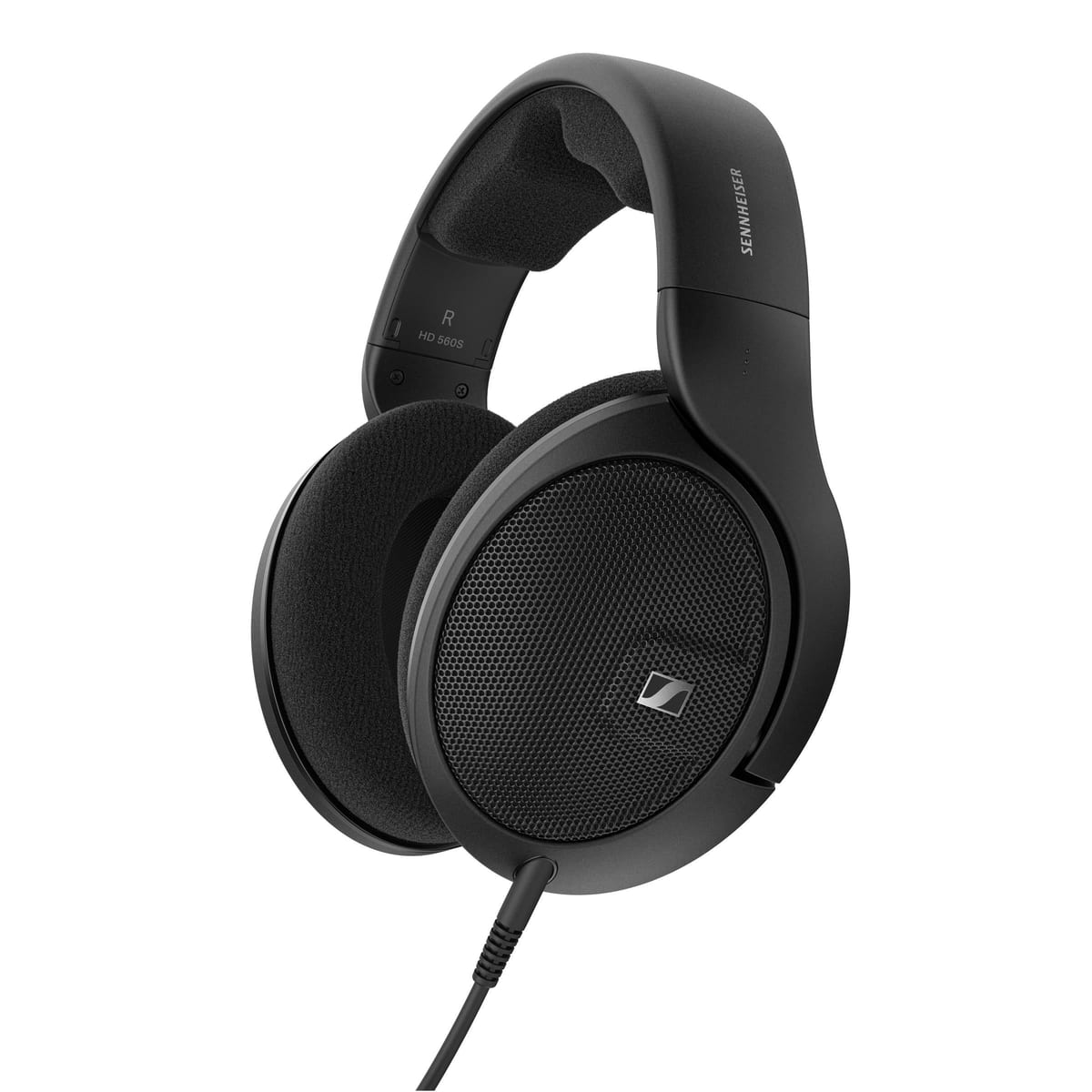
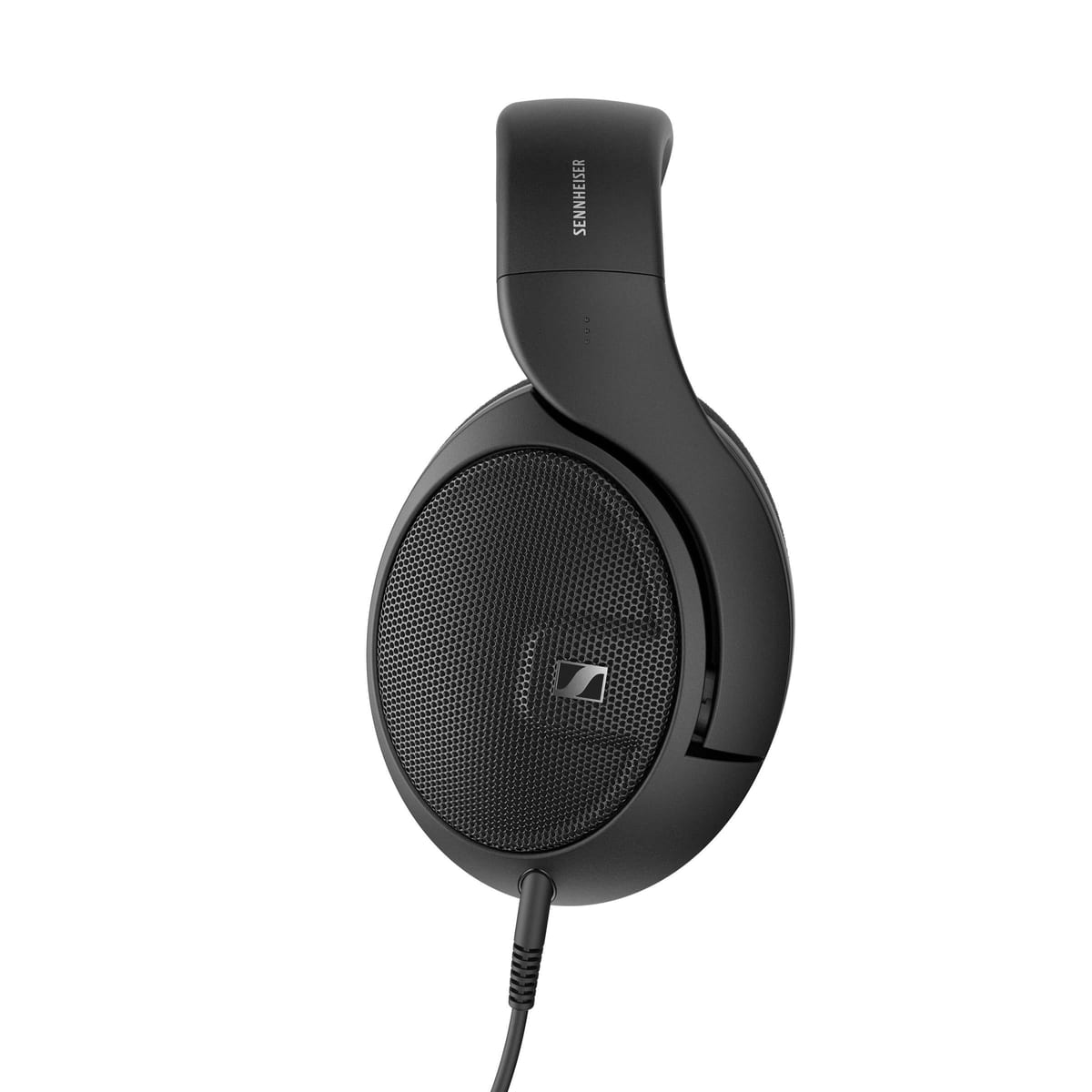
Closed-back gaming headsets are built around clamp force, isolation, and a built-in mic, all of which compromise the diaphragm acoustics in service of a single-product use case. Open-back headphones leak sound both ways, which is bad for streamers in a shared room but excellent for soundstage. The HD 560S in particular has a wider perceived stage than almost anything under $400 on the market, and that translates directly to how cleanly you can place an enemy footstep on Inferno B-site or a reload sound across Haven mid.
Tuning and what it actually sounds like in game
Sennheiser tuned the HD 560S close to the diffuse-field neutral curve, with a small lift between 2 kHz and 5 kHz. In music that gives them a clean, slightly forward presentation. In CS2 and VALORANT, that same lift sits exactly where footsteps, reloads, and grenade pin audio live, and it pushes those cues out of the noise floor without you needing to EQ. Compared to a Razer BlackShark V2 Pro the HD 560S surfaces a clear extra second of audible warning on a flanker pushing through smoke.
Driving them, and why DAC matters
120 ohms is not hard to drive in absolute terms, but it is above what a stock motherboard headphone jack can comfortably swing. We ran the HD 560S off a Realtek ALC4080 board jack, a $25 FiiO KA13 dongle DAC, and a Schiit Hel 3. The board jack worked but felt quiet and slightly compressed at safe listening volume. The KA13 made them sound 80 percent of the way to the Hel for a small fraction of the cost, and is the easy recommendation if you are pairing these with a laptop or a single-board PC. Do not skip the DAC, this is not the headphone you stick in a phone.
Comfort, build, and the long term
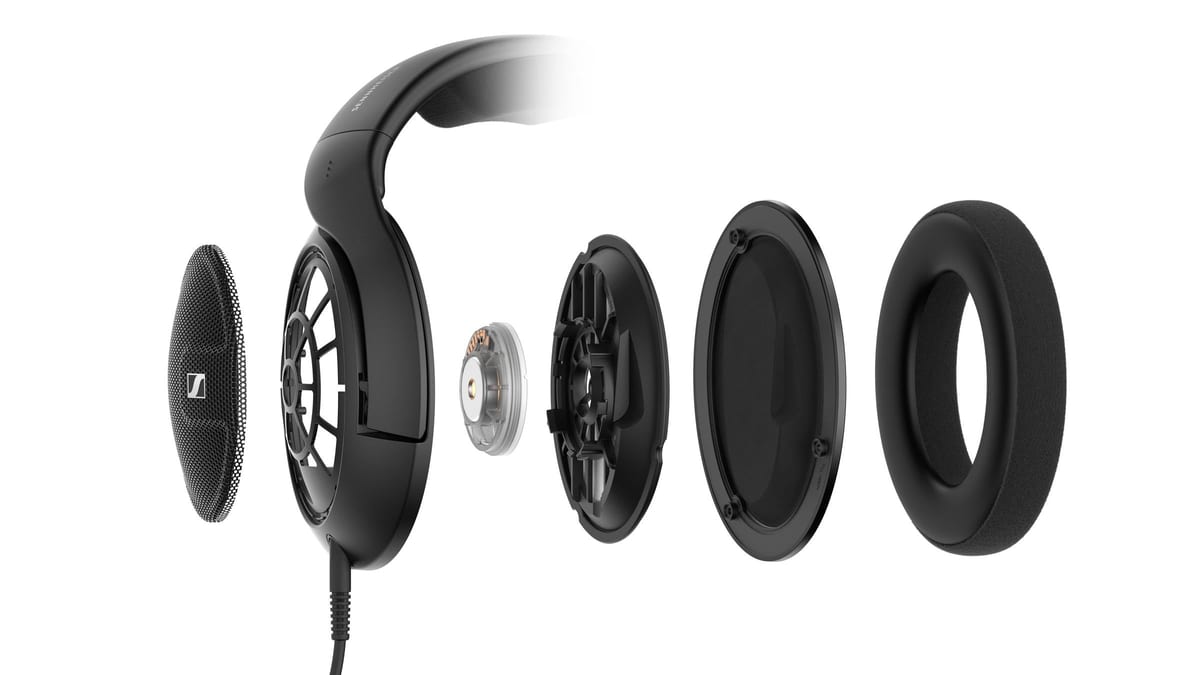
At 240 g the HD 560S disappears on your head after a few minutes. The velour pads breathe, the clamp force is moderate, and the headband padding is enough that we ran four-hour scrims without any hot spots. Build quality is the one place Sennheiser cut to hit the price, the plastic yokes that hold the cups feel cheaper than the HD 600 series, but they are also serviceable and Sennheiser sells replacement parts. Pads are a snap-on user-replaceable design, you will get years of life by swapping pads every 18 months.
Adding a microphone the smart way
For voice comms, the cleanest setup is a separate desktop mic on a boom arm. A FiFine AM8 or a Shure MV7+ on a $30 Innogear arm is most of the way to a streamer-quality voice chain for under $200 total. If desk space is tight, the Antlion ModMic Wireless or ModMic Uni clips to the side of the HD 560S cup directly and routes its own cable. Avoid the cheap clip-on lavalier kits, the noise floor will ruin Discord audio.
How it compares
vs. Beyerdynamic DT 900 Pro X
Stronger build and easier to drive, but the soundstage is narrower and the treble can fatigue over long sessions.
vs. HiFiMan HE400se
Cheaper planar option with even better detail retrieval, but heavier and far harder to drive without a dedicated amp.
vs. HyperX Cloud III Wireless
Convenient all-in-one gaming headset with a built-in mic, but it cannot match the HD 560S for raw directional information.
Bottom line
The Sennheiser HD 560S is the single best audio purchase a competitive FPS player can make under $250 in 2026. It out-positions every gaming headset on the market, it is comfortable enough to wear all day, and the missing microphone is a feature, not a bug, because a separate boom mic will always beat a built-in one. Budget for a dongle DAC and a real mic, and you have a setup that will outlast three generations of gaming headsets at a similar total cost.
Sennheiser · 9.3 / 10
Sennheiser HD 560S
Street price around $200
As an Amazon Associate, SurvivalConfigs earns from qualifying purchases. Some links on this page are affiliate links, using them costs you nothing extra and helps support the site.