Reader supported. We may earn a commission from purchases.

Sennheiser HD 560S Review: The Best Sub $200 Headphones for Competitive Audio

9 min read 4.7 / 5
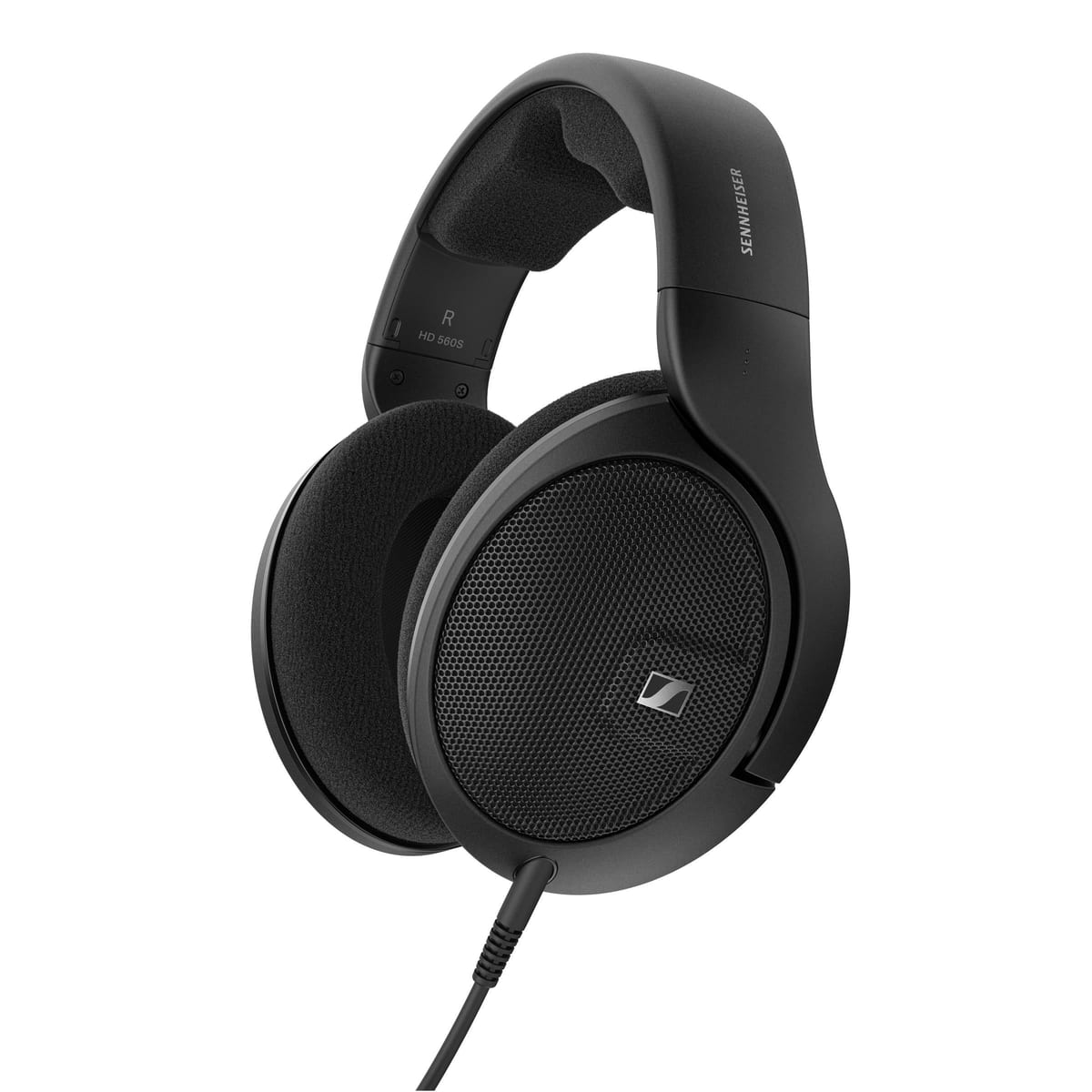
Sennheiser HD 560S open back headphones on a dark wood desk

Quick Verdict

Best feature

Reference grade open back soundstage that exposes footsteps gaming headsets bury

Who it's for

FPS players in a quiet room who want studio accurate sound for a fraction of audiophile prices

Bottom line

The single biggest competitive audio upgrade most players can make under $200.

Current price

$199

Check Price on Amazon

How It Compares

The Sennheiser HD 560S measured against its two closest market rivals on the specs that matter most.

SpecificationSennheiser HD 560Sbeyerdynamic DT 770 Pro XHyperX Cloud III Wireless
Driver type38 mm dynamic45 mm dynamic53 mm dynamic
Form factorOpen back, over earClosed back, over earClosed back, over ear
Impedance120 ohm48 ohm64 ohm
Frequency response6 Hz to 38 kHz5 Hz to 40 kHz10 Hz to 21 kHz
MicrophoneNone (use a separate boom or USB mic)NoneDetachable boom mic
Cable3 m detachable, 6.35 mm with 3.5 mm adapter3 m detachable, 3.5 mmWireless 2.4 GHz
Price$199$179$169

Deep Dive Analysis

Build Quality and Ergonomics

The 560S leans into Sennheiser's quietly utilitarian house style. The frame is matte plastic with metal reinforcement under the headband, the velour earpads are deep enough that nothing touches the ears, and the cups swivel just enough for a flat clamshell fit on the desk. At 240 grams it is among the lightest over ears on the market, and the open back grille is the only visual concession to its audiophile lineage. Construction feels less premium than the magnesium HD 600 series, but it also means you can wear them for ten hours without remembering they are on your head.

Performance and Latency

Imaging is the headline. The open back design and a neutral tilted tuning give the 560S a soundstage that exposes positional cues most closed back gaming headsets compress. Footsteps in Counter Strike 2 land with directional accuracy that closed back competitors simply cannot replicate, and the controlled bass response stops gunfire from masking quieter cues. For music the 560S is honest rather than fun: bass extension is clean but not boosted, mids are textured, and the treble is forward enough to hear engineering detail without becoming sibilant.

Software and Customization

There is none, which is part of the appeal. The 560S is a passive analog headphone that plugs into a 3.5 mm or 6.35 mm jack and produces the same response on every device. There is no virtual surround layer, no proprietary spatial mode, and no firmware. Pair the headphone with a clean DAC and amp combo such as a Schiit Magni Heretic or a FiiO K7 to get the most out of the 120 ohm drivers, but they will run perfectly well from a modern motherboard headphone jack at sensible listening volumes.

Real World Use

After a month of mixed CS2 ranked play and music listening, the 560S replaced both a previous gaming headset and a closed back pair for most desktop use. The trade off is the open back design itself, which leaks sound in both directions: people in the room will hear your game audio, and you will hear them. In a shared space or a noisy office this is a deal breaker, and the closed back DT 770 Pro X or a wireless gaming headset is the better choice. In a quiet bedroom or private office it is the single biggest competitive audio upgrade most players can make.

What we love

  • Reference grade open back imaging that exposes positional cues closed back headsets compress
  • Neutral tuning makes the headphone equally useful for music, mixing, and competitive gaming
  • Velour pads and 240 g weight make it comfortable for ten hour sessions with no fatigue

Real drawbacks

  • No microphone in the box, so you need a separate USB mic or a boom attachment like the V-Moda BoomPro
  • Open back design leaks audio in both directions, which rules it out for shared spaces

Top Questions

Do I need a dedicated DAC and amp to drive the HD 560S?

No, but they benefit from one. The 120 ohm impedance is high enough that weak laptop and console outputs may not reach satisfying volume, but most modern motherboards and gaming controllers drive them just fine. A clean entry level DAC and amp like the FiiO K7 or Schiit Magni Heretic noticeably tightens the bass and improves imaging, and is the natural next upgrade if you keep the headphones long term.

How do the HD 560S compare to the closed back beyerdynamic DT 770 Pro X for FPS?

The 560S has the wider soundstage and the more accurate footstep imaging. The DT 770 Pro X has stronger bass and full isolation from room noise, which makes it the better pick in shared or noisy environments. For pure competitive performance in a quiet room the 560S wins, and most professional players who use open back headphones for play and a closed back set for streams choose this exact pairing.

Will my teammates hear my game audio through the open back?

If you are using a microphone close to your mouth, no, the mic will not pick up enough leakage to be audible to teammates at normal listening volumes. People sitting in the same room with you will hear a thin version of what you are listening to, especially at higher volumes. If that matters for your living situation, a closed back headphone is the more polite choice.

Ready to upgrade to the Sennheiser HD 560S?

The single biggest competitive audio upgrade most players can make under $200.

As an Amazon Associate we earn from qualifying purchases. Prices and availability are accurate at the time of writing and subject to change. Editorial independence: no manufacturer reviewed this article before publication.